
What is Paroxysmal Atrial Fibrillation?
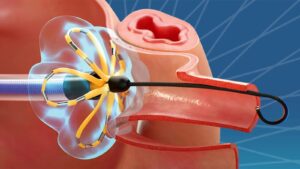
Paroxysmal atrial fibrillation (PAF) is a type of irregular heart rhythm (AFib) characterized by episodes that start suddenly and stop on their own — usually within 7 days. The triggers for Atrial fibrillation more than 95% of the time are the veins that drain blood from the lungs (pulmonary veins) into the top left chamber (left atrium). These veins contain muscle sleeves that can become irritable and start firing and causing atrial fibrillation. Catheter ablation aims to kill the electrical connection between the veins and normal heart muscle by creating scar at the border where the veins meet the left atrium. This is called pulmonary vein isolation (PVI)
Older “Thermal” Ablation Techniques & Their Limitations
For 17 years, Dr Peykar performed catheter ablation for AFib relying on thermal energy — either radiofrequency (RF) ablation (using heat) or cryoablation (using cold/freezing). These techniques aimed to isolate the pulmonary veins (and sometimes other areas) in the atrium that trigger or sustain AFib by creating lesions (scar tissue) that block abnormal electrical signals.
While RF and cryoablation have helped many patients, they come with limitations:
| Technique | Key Advantages | Common Shortcomings |
|---|---|---|
| Radiofrequency (Heat) | Precise lesion creation; flexible catheter configurations; long experience in clinical practice | Thermal energy can damage nearby structures (esophagus, phrenic nerve, blood vessels); risk of collateral injury; longer procedure and lesion times; often requires more monitoring during the procedure. Can cause post ablation chest pain |
| Cryoablation (Freezing) | Shorter procedure times in some cases; simpler “balloon” approaches; comparable efficacy in many studies for PAF. | Risk of phrenic nerve injury; sometimes harder to get exact lesion shapes or small touch-ups; cold energy can still affect adjacent tissue; fluoroscopy exposure; sometimes less flexibility in catheter positioning. Also, while cryoablation did somewhat shorten procedure times compared to RF, it did not drastically reduce all risks. |
Also, both techniques are thermal, meaning they rely on extreme temperature changes to damage tissue. That introduces inherent risks: damage to tissues not intended to be ablated, inflammation, sometimes esophageal injury, and longer recovery or more discomfort. In addition, procedure times and complexity can be greater for some patients, especially those with more complex heart anatomy or comorbid conditions.
Pulsed Field Ablation (PFA): A New, Better Option
Pulsed Field Ablation (also called irreversible electroporation) is a newer, non‑thermal method of ablating heart tissue. It has been available for more than one year. Instead of using heat or cold, PFA uses very short bursts of high‑voltage electrical pulses to selectively disrupt the cell membranes of the targeted heart tissue.
Here are the main reasons why PFA is better, especially for PVI:
- Tissue-specific targeting and safety
Because PFA affects tissue in a non-thermal way, it is much more selective. It tends to spare nearby structures (like the esophagus, nerves such as the phrenic nerve, pulmonary veins) which are vulnerable in thermal ablation. - Lower risk of serious complications
Early studies show fewer incidences of complications such as esophageal injury, phrenic nerve damage, pulmonary vein stenosis, or accidental injury of adjacent tissues.
Shorter procedure times and faster recovery - PFA usually takes less time to perform, reducing the duration under anesthesia, and often patients recover more quickly. Dr Peykar’s prcedure times for PVI alone are typically 20-40 minutes
- Comparable effectiveness, possibly more durable lesions
Clinical trials involving PAF patients have shown good outcomes — rates of freedom from AFib at 1 year that are better to those seen with RF or cryoablation. - Better patient experience
Because of reduced collateral tissue injury, less pain or discomfort post‐procedure, fewer safety monitoring needs, and often shorter hospitalization, many patients report smoother overall experiences. Patients no longer have the chest pain post procedure seen with thermal ablation.
What This Means for You
If you have paroxysmal atrial fibrillation (PAF), PFA presents a modern ablation option that may offer:
- A safer procedure with fewer risks of damaging surrounding tissues.
- A shorter procedure and faster recovery.
- A high chance of long‑term success better than traditional thermal ablation.
Of course, every patient is unique: heart anatomy, other health conditions, and previous treatments will influence what is best.
Dr. Peykar’s Experience
Dr. Peykar has performed over 12,000 catheter ablation procedures for atrial fibrillation. His extensive experience encompasses RF, cryo, and now PFA techniques. Under his care, patients benefit from his deep understanding of the anatomy, precise technique, and large volume practice — all factors known to contribute strongly to better outcomes.
Conclusion
If you are considering ablation for paroxysmal atrial fibrillation, it is worth discussing PFA with your electrophysiologist. While traditional techniques (radiofrequency and cryoablation) have been successful for many years, PFA offers a compelling set of advantages: safety, speed, comfort, and promising effectiveness. With an experienced operator like Dr. Peykar, you may have access to the very best results in current AFib care.
Real Stories from Patients
After years of living with AFib, Dr. Peykar’s team gave me my life back. I felt better within days of the procedure.
PFA was fast and I was back on my feet the next day. No more heart flutters!