
Pulsed Field Ablation + Watchman™ Implant: One Powerful Procedure for Atrial Fibrillation Patients
A Dual Approach to AFib Management
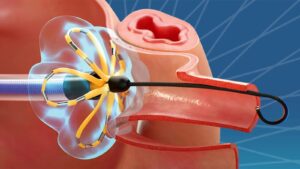
Atrial fibrillation (AFib) brings two major challenges: controlling the rhythm and reducing stroke risk. Now, there’s a way to address both in one procedure — combining Pulsed Field Ablation (PFA) of the pulmonary veins with implantation of a Watchman™ device in the left atrial appendage.
This approach means you can get rhythm control and stroke protection together — fewer hospital stays, fewer procedures, and a faster return to your life.
⸻
What Is Pulsed Field Ablation (PFA)?
PFA is an advanced, non‑thermal technique that sends very short, high‑voltage electrical pulses to the targeted cardiac tissue. These pulses selectively disrupt the cell membranes of the abnormal cells that are responsible for AFib — leaving nearby tissues like nerves and the esophagus largely unharmed.
Because it avoids using heat or freezing, PFA typically carries lower risks of collateral damage and shorter procedural times compared to traditional ablation methods.
⸻
How Does the Watchman Device Work?
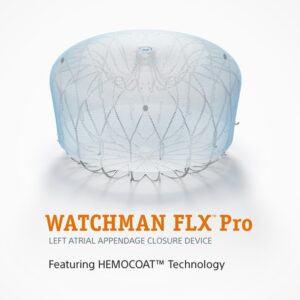
The Watchman™ implant is a small, umbrella‑shaped device placed inside the left atrial appendage (LAA) — a pouch in the heart where blood clots often form in AFib patients. Once deployed, it effectively “plugs” the LAA, preventing clots from escaping and traveling to the brain.
For many patients, the Watchman offers the possibility of stroke protection without the need for lifelong blood thinners (which carry bleeding risks).
⸻
 Who Is a Candidate for the Watchman Device?
You may be a good candidate if:
• You have non-valvular AFib (i.e. not due to significant valvular disease)
• You are at risk of stroke (high CHA₂DS₂‑VASc score)
• You have reasons not to stay on long-term anticoagulants (e.g. prior bleeding, risk of falls, contraindications)
• You want a more permanent solution to avoid or reduce dependence on blood thinners
⸻
Why Combine PFA + Watchman in One Procedure?
• Single anesthesia / sedation session — no need for two separate procedures
• Reduced overall risk — fewer vascular accesses, less total recovery burden
• Quicker recovery — one recovery period instead of two
• Cost and time efficiency — one hospital stay, fewer visits
• Better coordination — rhythm control and stroke prevention are handled in a synchronized plan
By combining them, patients get the benefit of both strategies with less hassle and risk than doing them separately.
⸻
6. What Happens During the Combined Procedure
Your care team will position you under imaging guidance in a cardiac electrophysiology lab. The steps typically include:
1. Access & mapping: Catheters are threaded via a vein from the groin into the heart.
2. Pulsed Field Ablation: The pulmonary veins are isolated by applying the pulsed field energy to interrupt the abnormal electrical signals.
3. Watchman Deployment: Once the rhythm control is done, the Watchman device is implanted into the left atrial appendage, sealing it off.
4. Verification & closure: Tests are performed to ensure effective isolation and proper deployment; catheters are withdrawn, access sites are closed.
Though technically advanced, in experienced hands the procedure can be efficient and safe.
⸻
Benefits You’ll Appreciate
• Safety — PFA’s selectivity helps protect nearby structures; Watchman reduces stroke risk without long-term use of blood thinners
• Convenience — just one procedure, one recovery timeline
• Symptom relief — reduction or elimination of palpitations, fatigue, shortness of breath
• Peace of mind — you get both rhythm control and stroke protection in one plan
• Medication reduction — many patients reduce or stop long-term anticoagulants, anti arrhythmic drugs and other medications for atrial fibrillation
⸻
Why This Procedure Matters Especially Now
As technology evolves, combining PFA and Watchman in one step represents an advanced paradigm in AFib care. Patients no longer need to undergo separate interventions over months or years. It’s about being proactive: treat rhythm and clot risk together rather than in a patchwork way.
Moreover, because PFA is gentler to tissues, it complements the Watchman approach by minimizing additional trauma and making the whole process smoother.
⸻
Dr. Peykar: Leader in Combined AFib Therapy
When combining such advanced techniques, experience matters a lot. Dr. Peykar is in the top 1 % of physicians nationwide performing concomitant PFA + Watchman implantation. With over 12,000 catheter ablations to his name and deep expertise in Watchman implants, he is uniquely qualified to deliver safe, integrated care.
This combined procedure is a special interest of his — he sees it as the future of AFib treatment because it gives patients maximum benefit with minimal burden.
Click Here for our patient information page for the Concomitant Procedure